Our Services
We are the Pioneers Of Solar Energy in UP (East) and Bihar (South & West)
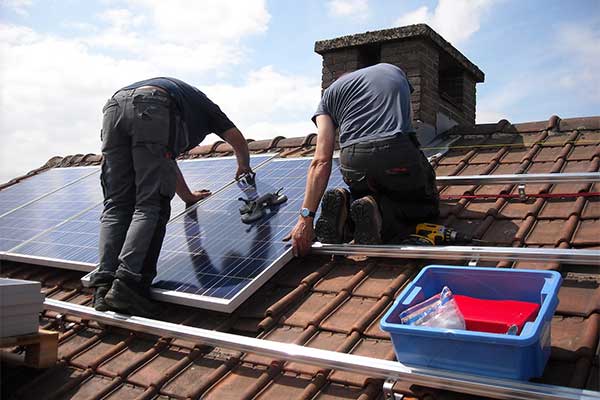
Residential Solar System
A residential solar system is a clean and renewable energy solution designed to generate electricity for homes using sunlight. It consists of solar panels, an inverter, mounting structures, wiring, and, in some cases, battery storage systems. Solar panels installed on rooftops capture sunlight and convert it into direct current (DC) electricity. The inverter then converts this DC power into alternating current (AC), which is used to operate household appliances such as lights, fans, air conditioners, refrigerators, and televisions. Residential solar systems offer numerous benefits, including reduced electricity bills, lower dependence on the grid, increased property value, and a significant reduction in carbon emissions. With proper installation and maintenance, a solar power system can provide reliable energy for 25 years or more. As energy costs continue to rise, residential solar power has become one of the most cost-effective and environmentally friendly investments for homeowners, helping create a sustainable future while providing long-term financial savings.
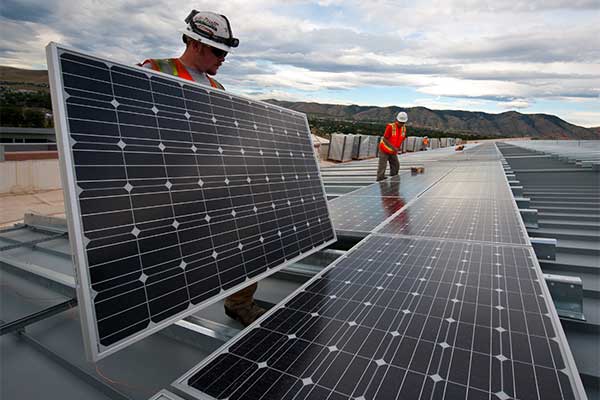
Commercial Solar System
A commercial solar system is a large-scale solar power solution designed to meet the energy demands of businesses, industries, offices, warehouses, educational institutions, hospitals, and commercial establishments. By harnessing the power of the sun, commercial solar installations help organizations significantly reduce electricity costs while promoting environmental sustainability. The system consists of high-efficiency solar panels, inverters, mounting structures, monitoring equipment, and, when required, battery storage solutions. These components work together to convert sunlight into clean, reliable electricity that can power daily business operations. Commercial solar systems offer numerous advantages, including substantial savings on energy bills, protection against rising electricity tariffs, reduced carbon footprint, and improved corporate sustainability credentials. With a lifespan of over 25 years and minimal maintenance requirements, solar energy provides an excellent return on investment for businesses seeking long-term energy independence. As organizations increasingly focus on cost optimization and environmental responsibility, commercial solar power has emerged as a smart, sustainable, and financially rewarding energy solution for the future.
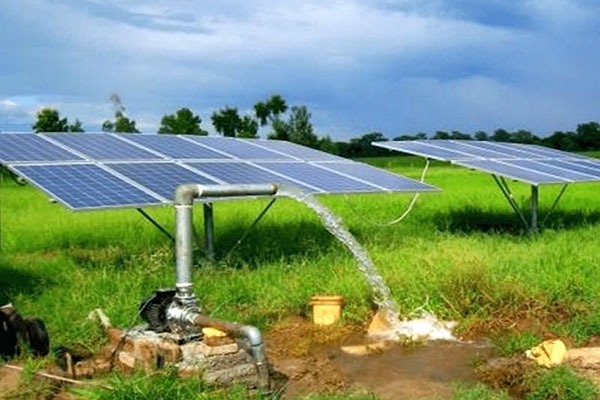
Solar Water Pumps
Solar water pumps are an efficient and eco-friendly solution for water pumping needs in agriculture, residential properties, and remote locations. Powered by solar energy, these systems use photovoltaic (PV) panels to convert sunlight into electricity, which drives the pump to draw water from borewells, rivers, ponds, or storage tanks. Solar water pumping systems typically consist of solar panels, a pump controller, an electric motor, and a water pump. They operate without the need for grid electricity or diesel fuel, making them a cost-effective and sustainable alternative to conventional pumping systems. These pumps are widely used for irrigation, livestock watering, community water supply, and domestic applications. Their key benefits include lower operating costs, minimal maintenance requirements, reliable performance, and a significant reduction in carbon emissions. With rising energy costs and increasing focus on sustainable farming practices, solar water pumps have become an ideal solution for farmers and landowners seeking dependable water access while reducing their environmental impact and long-term expenses.
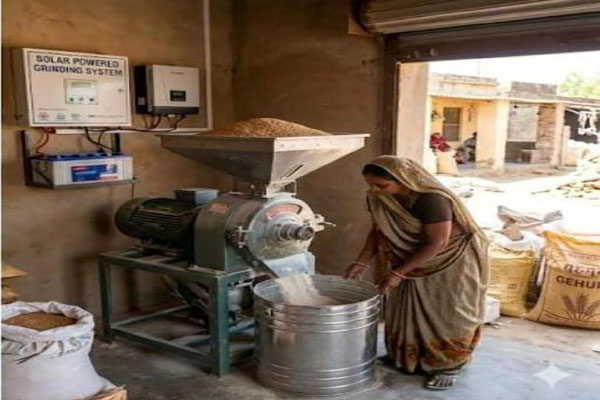
VFD Solar System
A VFD Solar System for Flour Mill is an innovative and energy-efficient solution that uses solar power to operate flour milling machines. By integrating a Variable Frequency Drive (VFD) with a solar power system, the atta chakki can run smoothly while optimizing energy consumption and reducing dependence on grid electricity or diesel generators. The system consists of solar PV panels, a VFD controller, an inverter, and the flour mill motor. The VFD intelligently controls the motor speed based on the available solar energy, ensuring stable operation and improved performance even during varying sunlight conditions. This technology helps flour mill owners significantly reduce electricity costs, increase profitability, and achieve greater energy independence. The VFD also provides motor protection features such as soft starting, overload protection, and voltage regulation, which enhance equipment life and reduce maintenance expenses. VFD solar systems for atta chakki are particularly beneficial in rural and semi-urban areas where electricity supply may be unreliable. By utilizing clean and renewable solar energy, flour mill operators can enjoy sustainable, cost-effective, and uninterrupted milling operations while contributing to a greener environment. Solar-powered atta chakki solutions represent a smart investment for mill owners looking to lower operational costs, improve efficiency, and embrace renewable energy for long-term business growth.
Ongrid Solar System
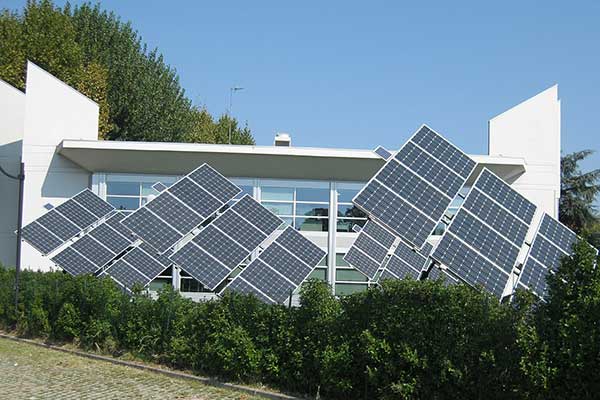
An On-Grid Solar System, also known as a grid-tied solar system, is a solar power solution that is directly connected to the utility electricity grid. It allows homes, businesses, industries, and commercial establishments to generate their own electricity from solar energy while remaining connected to the grid for additional power requirements. The system consists of solar PV panels, an on-grid inverter, mounting structures, protection devices, and a bidirectional (net) meter. During daylight hours, solar panels generate electricity that is used to power electrical loads. Any excess energy produced is exported to the grid, and the consumer receives credits through net metering. When solar generation is insufficient, electricity is automatically imported from the grid. On-grid solar systems offer significant benefits, including reduced electricity bills, lower operating costs, minimal maintenance requirements, and a faster return on investment. Since they do not require battery storage, they are more cost-effective and efficient compared to many other solar solutions. Widely used in residential, commercial, and industrial sectors, on-grid solar systems provide a reliable and sustainable way to reduce dependence on conventional energy sources while contributing to a cleaner and greener environment. With a lifespan of 25 years or more, they represent a smart long-term investment for energy savings and sustainability.
PM Surya Ghar Yojana
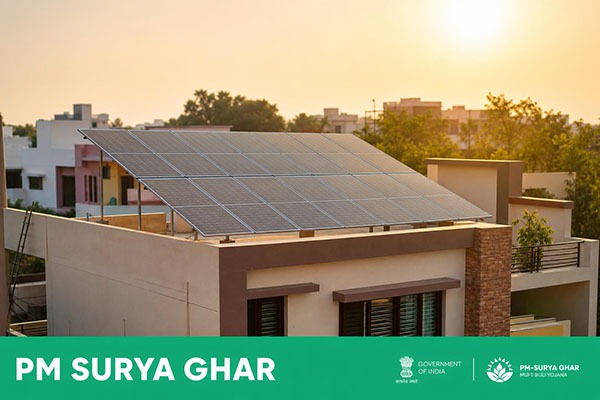
PM Surya Ghar: Muft Bijli Yojana is a flagship initiative of the Government of India aimed at promoting rooftop solar installations across residential households. The scheme encourages homeowners to generate clean and renewable electricity from solar energy while reducing their monthly electricity bills. Under this scheme, eligible households can receive financial assistance in the form of government subsidies for installing rooftop solar systems. The objective is to make solar energy more affordable, increase energy independence, and support India's transition toward sustainable and green energy. A rooftop solar system installed under PM Surya Ghar Yojana enables households to generate electricity during the day and utilize net metering benefits by exporting excess power to the grid. This helps consumers save significantly on electricity expenses while contributing to environmental conservation. The scheme offers multiple benefits, including reduced electricity bills, attractive government subsidies, lower carbon emissions, increased use of renewable energy, and long-term financial savings. With solar panels designed to operate efficiently for 25 years or more, homeowners can enjoy reliable and clean energy for decades. PM Surya Ghar Yojana is a transformative step toward empowering millions of Indian households with affordable solar energy while supporting the nation's vision of energy security and sustainable development.